sunburntarts.org.au
Issue 01 · Pilot Burn 2026
of the Sunburnt Arts Community
The Thunder from Down Under
RE·Vision
Capertee Valley, NSW · May 15–18
We Found a New Home to Burn
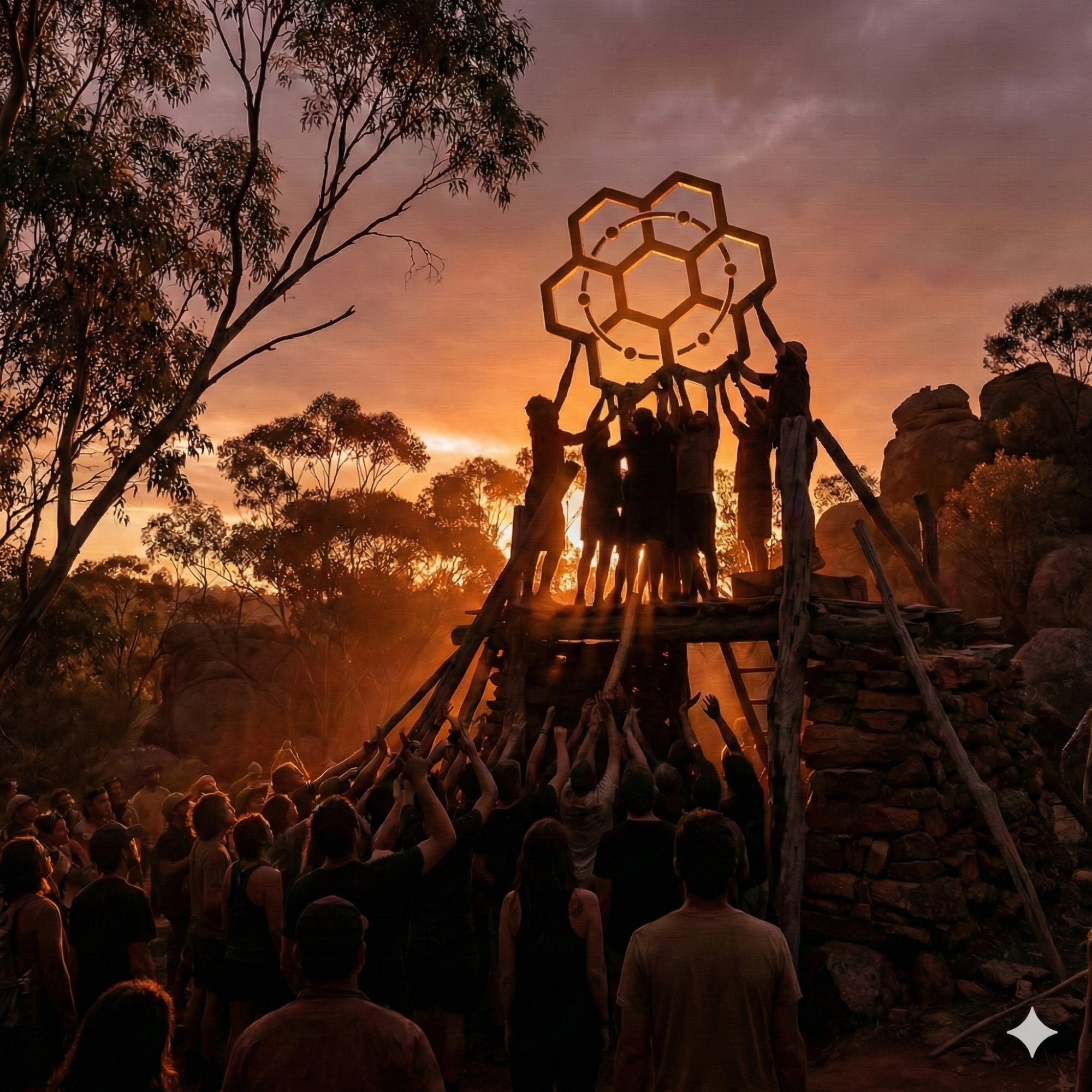
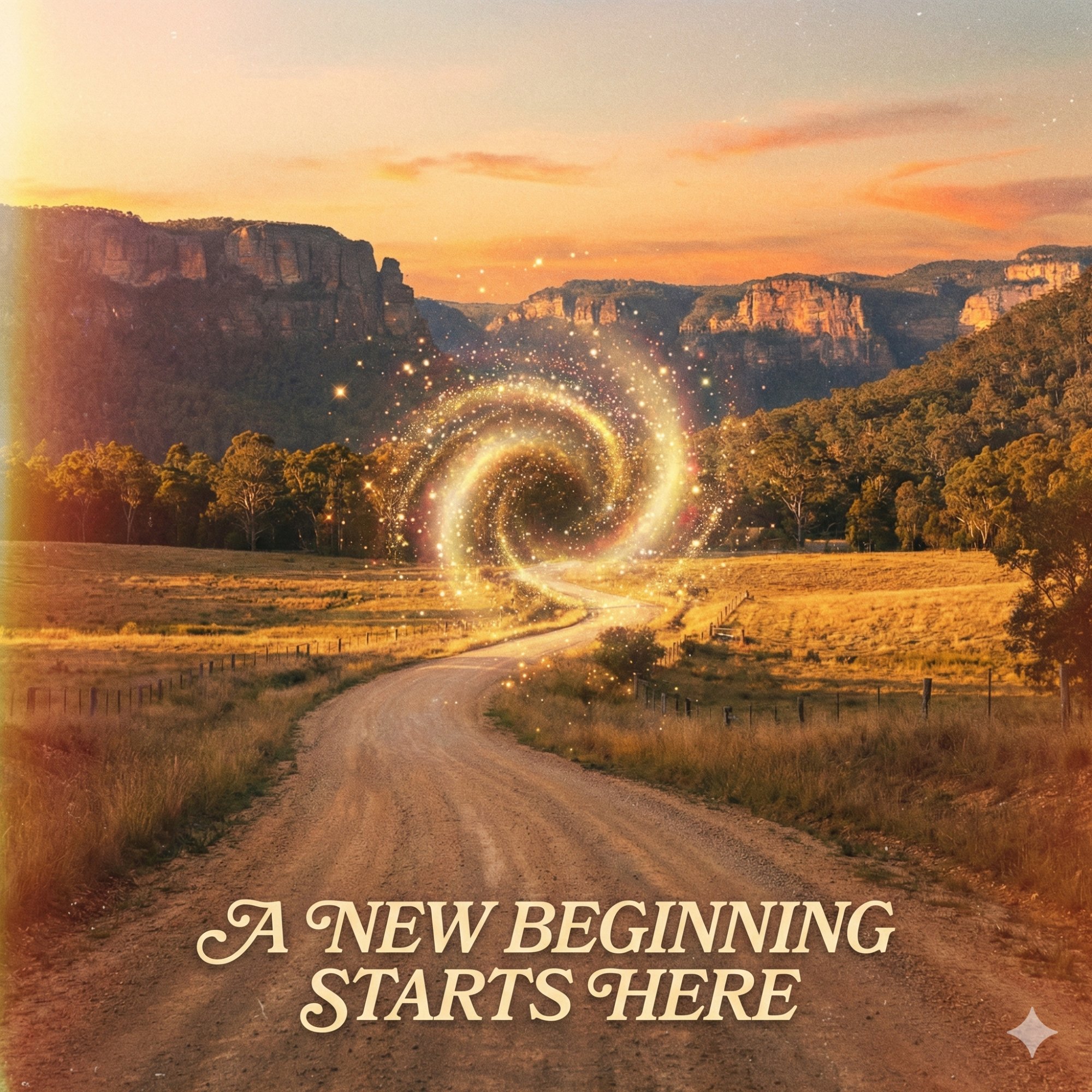
After some of the hardest years in Burning Seed's history, the community chose to rebuild. Not in the same place. Not in the same way — but with the same fire in our bellies.
The Pilot Burn is a foundation stone for what's to come — a warm spark to bring that glow of warmth back in a way we hope will grow into a full-fledged art-filled flame of community.
Read the full storyThe World's First Burner Float Hits Oxford Street
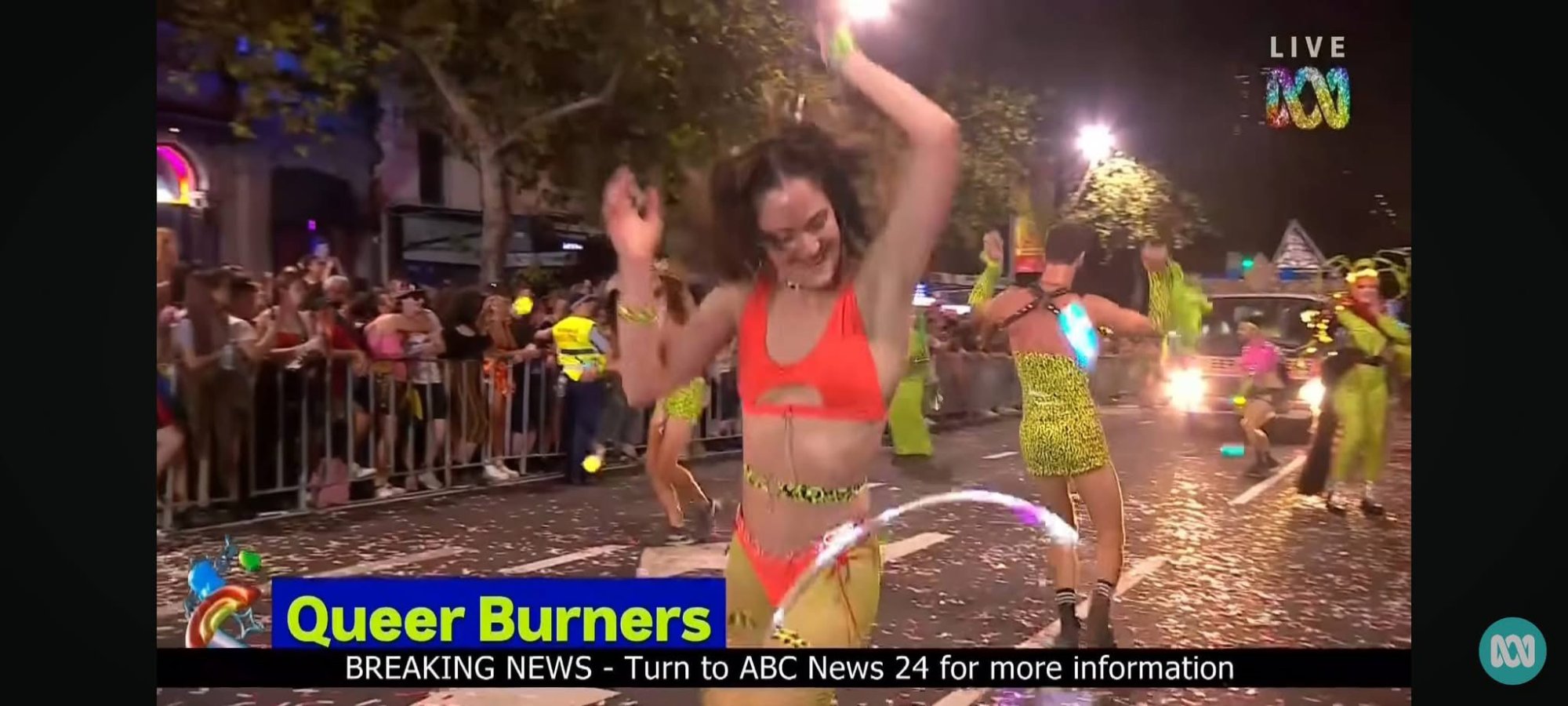
Fifty burners brought the Temple of Ecstatica to Sydney Mardi Gras, celebrating the rich queer history of burning culture!
Read the full storyThe AGM That Changed Everything
Five special resolutions. Community-elected directors. An overwhelming mandate for unified governance. Here's what it means — and the work your board has been doing ever since.
Read the full storyThe Rock of Ages — Our new home
Sealed roads, bushfire resilience, landowners who get the culture, and a view that'll make you cry on opening night. A first look at the site that will define Burning Seed's next chapter.
Read the full story
The Galah Wants Your Words
Issue 02 is taking shape and we need contributors from across the community — seasoned burners, first-timers, artists, builders, Rangers, and people who just love to tell a story. You needn't even write it — share a voice note and we'll form it in writing with you.
800–2,000 words. Personal stories, philosophical takes, observations about burn culture in the Australian context.
Real dilemmas, newbie panics, interpersonal grey areas, ethical dilemmas and logistical disasters. Anonymous questions welcome.
Submit anonymously →Got a hard-won lesson or a tip that would have saved your past self three hours of misery? One sentence is enough. Send photos!
Meet Some of Your Leads
Pilot Burn 2026 · Capertee Valley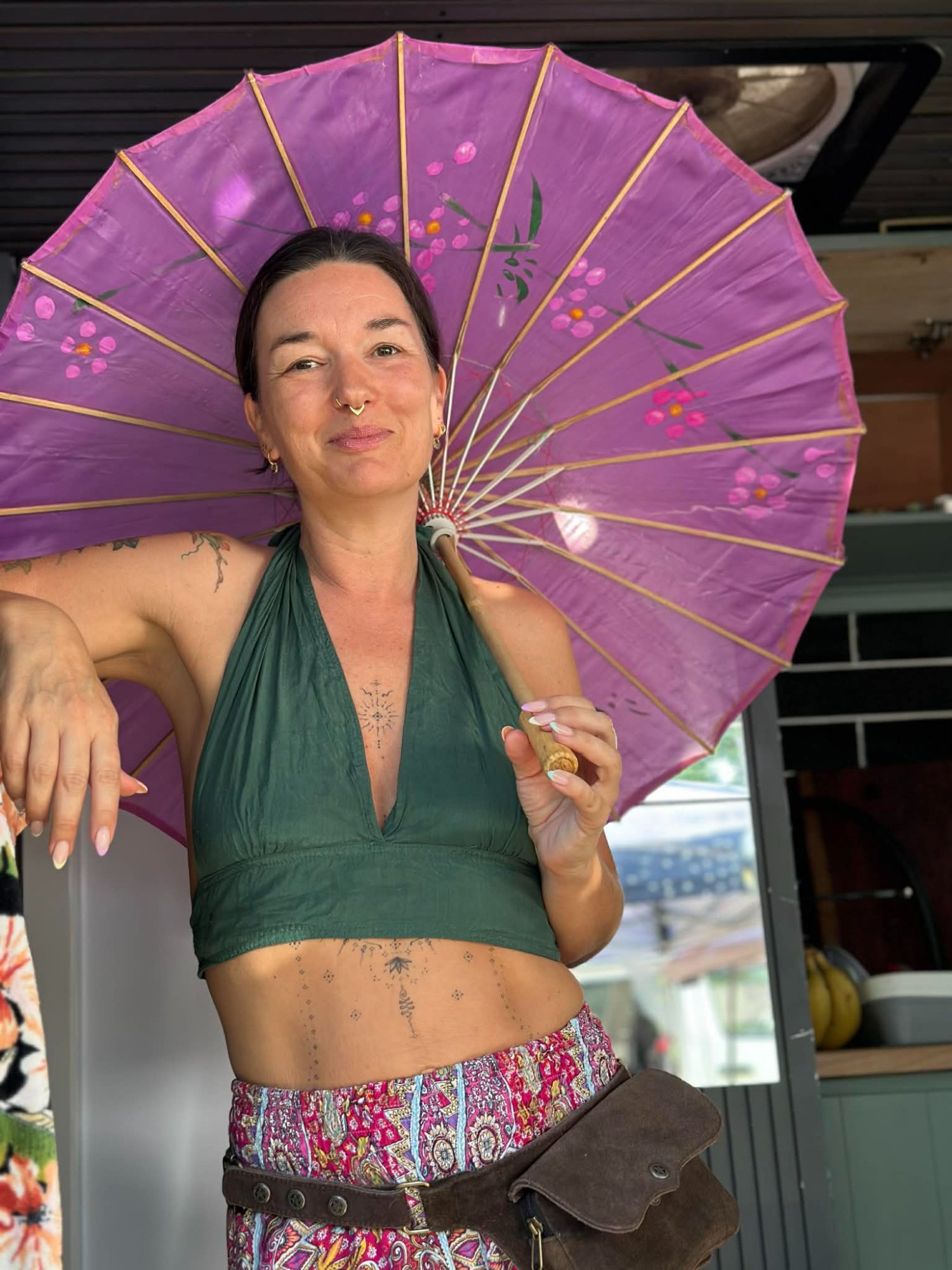
I love bringing individuals together, creating a space where unique sparks can ignite and magic happens. As part of the Theme Camp Team, I support camp leads birth their creative visions. Behind the scenes, I work to make sure everything runs smoothly, so our camps can shine. The reward? Walking the paddock and witnessing the collective magic that unfolds is truly priceless. I'm honored to play a part in cultivating community and creativity, and thrilled to see burners discover and connect with the art and expression around them.
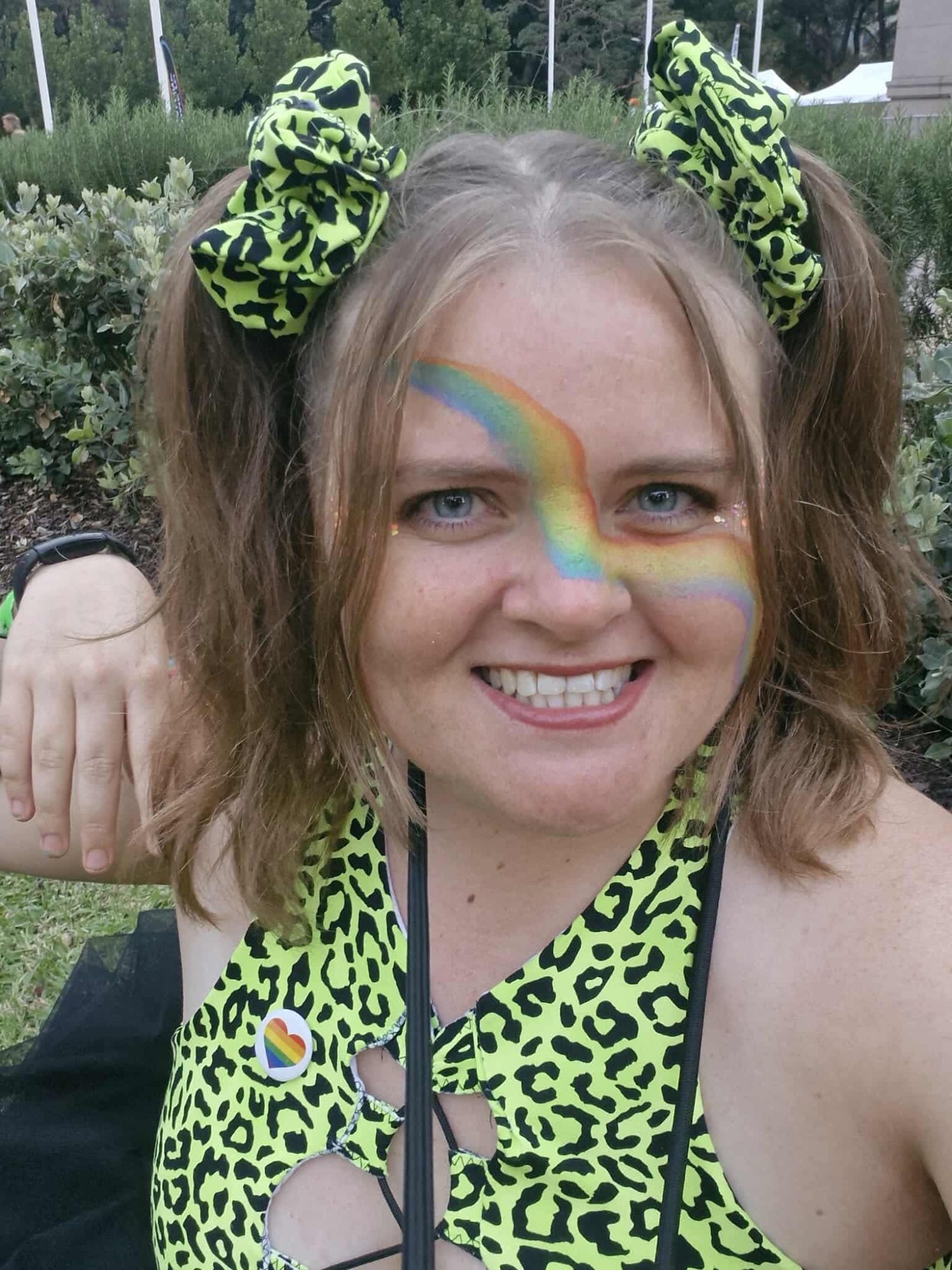
Vision: I love theme camps as the culmination of lots of passionate creative people coming together to create a little world or experience for others because they want to bring inspiration and joy to our Burner universe.
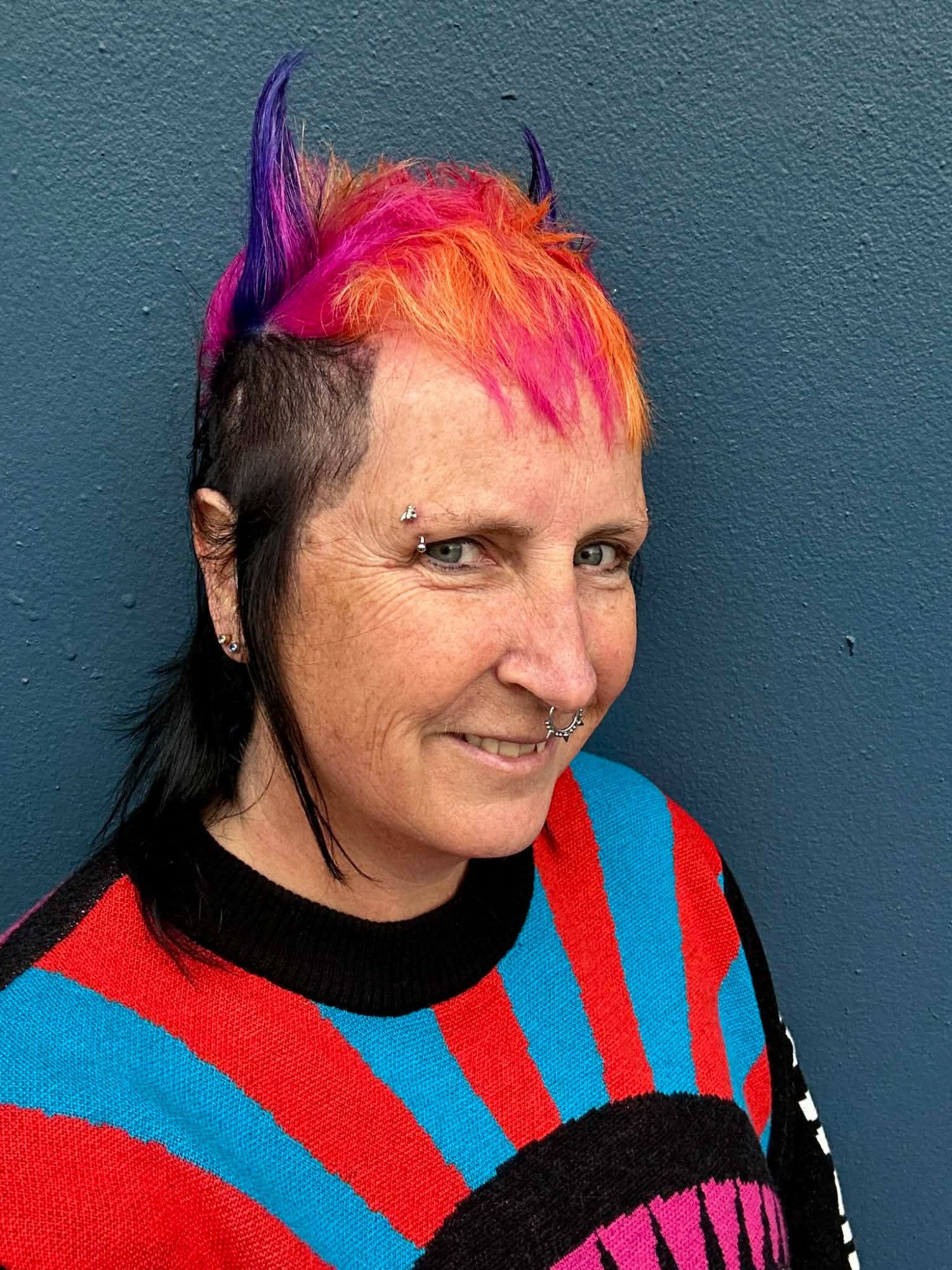
I arrived at Burning Seed in 2019, but I've felt like a burner my whole life. Burns are intentional creative communities where art is the beating heart — spaces of exploration, where the unexpected becomes possible and making something together changes you. When we give people permission to play and create without fear of not being "good enough," extraordinary things emerge. Through Miss Peaches and art leadership at The 3rd Degree, I've watched artists discover what they're capable of when held in a culture of encouragement. Stepping into the Art Lead role for the Pilot Burn feels like answering a call — to set art free in the wild, blur the lines between performance and participation, and build a space where your ideas don't just belong, they matter. Come make something with us.
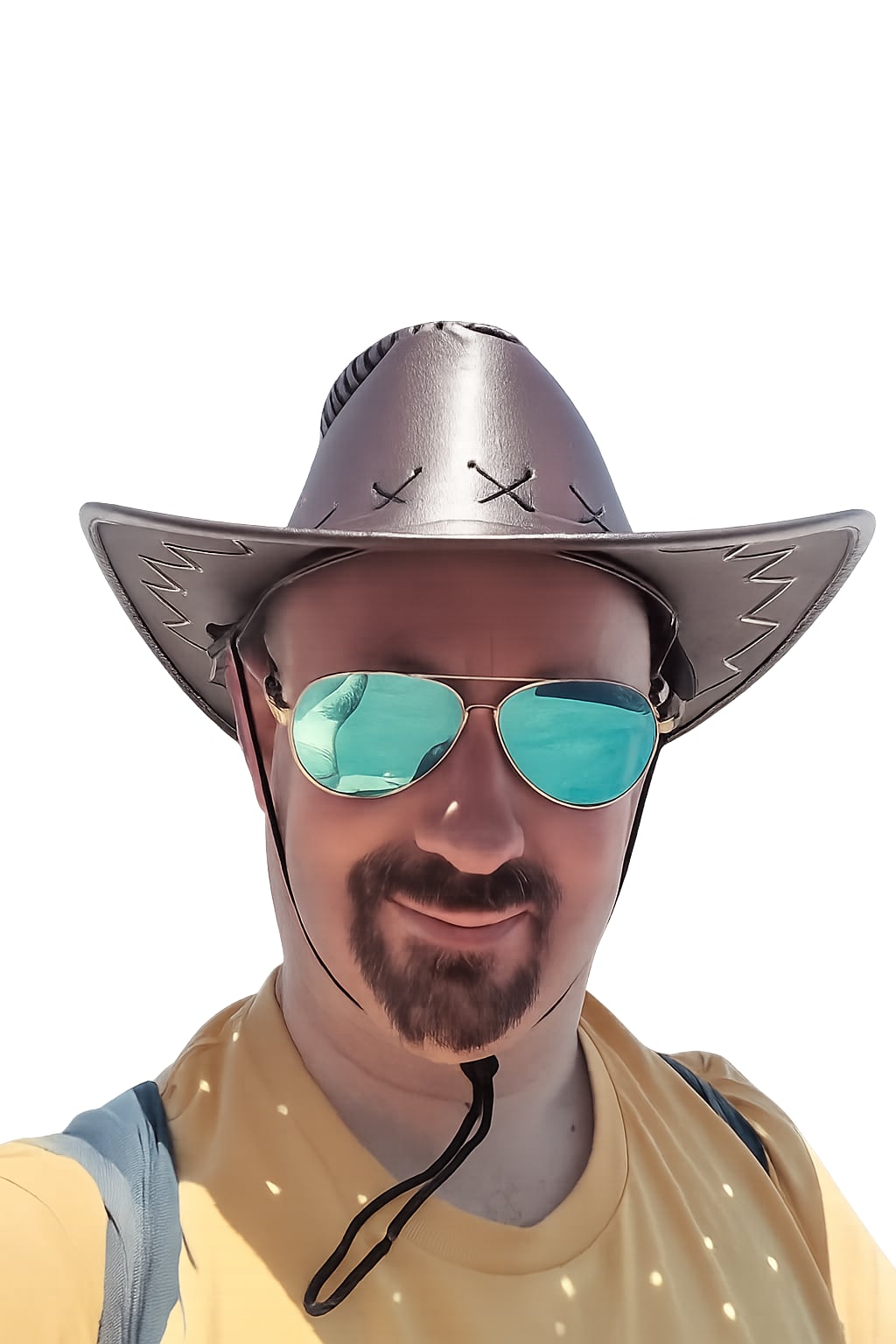
Whether it is your first rodeo or you're an absolute veteran, going to a Burn can be an emotional and transformative process. The EMO/Sanctuary team are here to offer loving, non-judgmental support if you ever feel like you need it. We work closely with rangers and first aid to look out for everyone on both party nights and the morning after. We can't make your challenges disappear but we will try to make it feel safer and easier. Our Burner community can't grow and be nourished unless we all feel safe, secure, and cared for.
Why Showing Up Matters: Queer Visibility in a World Walking Backwards
When fifty burners carried the Temple of Ecstatica down Oxford Street at Sydney Mardi Gras, they weren't just celebrating — they were making a statement that Queer joy is not a luxury. In a world where human rights are being dismantled with alarming speed, visibility is an act of resistance.
The Float That Became a Sanctuary
There is something quietly radical about a geodesic pyramid rolling down one of Australia's most iconic streets, with fifty people who have often danced together under the stars beaming in Queer joy. The Temple of Ecstatica — a travelling burner art installation and the beating heart of our queer burner community — made its Mardi Gras debut this year, and the response was overwhelming.
People watching from their homes felt overwhelming pride. Burners shouted out the names of friends who'd brought them to their first burn, who'd helped them find the language for who they felt they were. For a few minutes on a summer evening in Sydney, a float full of burners became something way bigger than any of them can be alone — the full power of radical self-expression meeting participation and communal effort.
The Rights Being Rolled Back
We cannot tell this story without naming what's happening in the world beyond the parade route. Across the United States, dozens of states have passed legislation targeting transgender youth, restricting access to healthcare, banning drag performances, and removing LGBTQIA+ content from public education. The rollback is deliberate, coordinated, and expanding.
In the United Kingdom, healthcare pathways for trans people have been dramatically curtailed. Across Eastern Europe, 'family values' legislation is being used to criminalise queer existence. In Australia, we are not immune: religious exemptions to anti-discrimination law remain on the books, trans and gender diverse people face persistent barriers in healthcare and legal recognition, and online platforms have deprioritised LGBTQIA+ safety in favour of engagement metrics. International changes provide stark realisations that hard-won human rights laws are still up for grabs. These are not abstract policy debates. They are daily realities that shape whether queer people feel safe, seen, and able to exist fully in the world.
Visibility as a Political Act
There is a long tradition of argument within LGBTQIA+ communities about visibility — who gets to be visible, on whose terms, and what visibility actually achieves. These are important conversations. But in a political moment where queer people are being told to be less visible, to be quieter, to accept less, choosing to show up is itself a form of resistance.
Research consistently shows that people who personally know LGBTQIA+ individuals are significantly more likely to support their rights. Visibility shifts culture. It tells isolated queer young people that they are not alone. It creates evidence, in bodies and art and joy, that another way of being in the world is possible.
The burning community has always understood this intuitively. Our principles of radical self-expression and radical inclusion are not performance. They are infrastructure — the scaffolding we build so that people who have been excluded elsewhere can find their way to something whole.
Queer History in the Burns
The queer history of burning culture runs deep. From the earliest Black Rock City burns, LGBTQIA+ people were central — not as guests, but as builders, organisers, artists, and community architects. In Australia, Burning Seed has been a space where queer and trans people have consistently found belonging, often before they could find it elsewhere.
The Temple of Ecstatica represents the continuation of that history: a space designed not to welcome LGBTQIA+ people as an afterthought, but to centre our creativity, our grief, our desire, and our Queer joy. Bringing that to Oxford Street — to a street where LGBTQIA+ Australians marched for the first time in 1978 and were arrested for it — is an act of deliberately connecting past to present.
What Comes Next
Visibility is necessary but not sufficient. Alongside it, we need the harder, slower work: changing policy, building economic power within queer communities, supporting trans-led organisations, funding queer arts, and showing up for each other in the ordinary moments between the parades and parties.
For Sunburnt Arts, this moment on Oxford Street is a commitment, not a conclusion. We carry the Temple of Ecstatica back to the land, to Capertee Valley and a new chapter for 'Burning Seed'. We carry it into the planning meetings and the governance structures and the unglamorous work of building something that lasts.
The world we want — where Queer people are safe, celebrated, and free to build extraordinary things together — isn't waiting to be handed to us. We make it, every time we show up.
"Radical inclusion is not a principle we display. It is infrastructure we build."
The Temple of Ecstatica marched at Sydney Mardi Gras 2026 as part of Sunburnt Arts' first queer burners float. Burning Seed returns to full-scale events at Anzac Weekend 2027 in Capertee Valley, NSW.
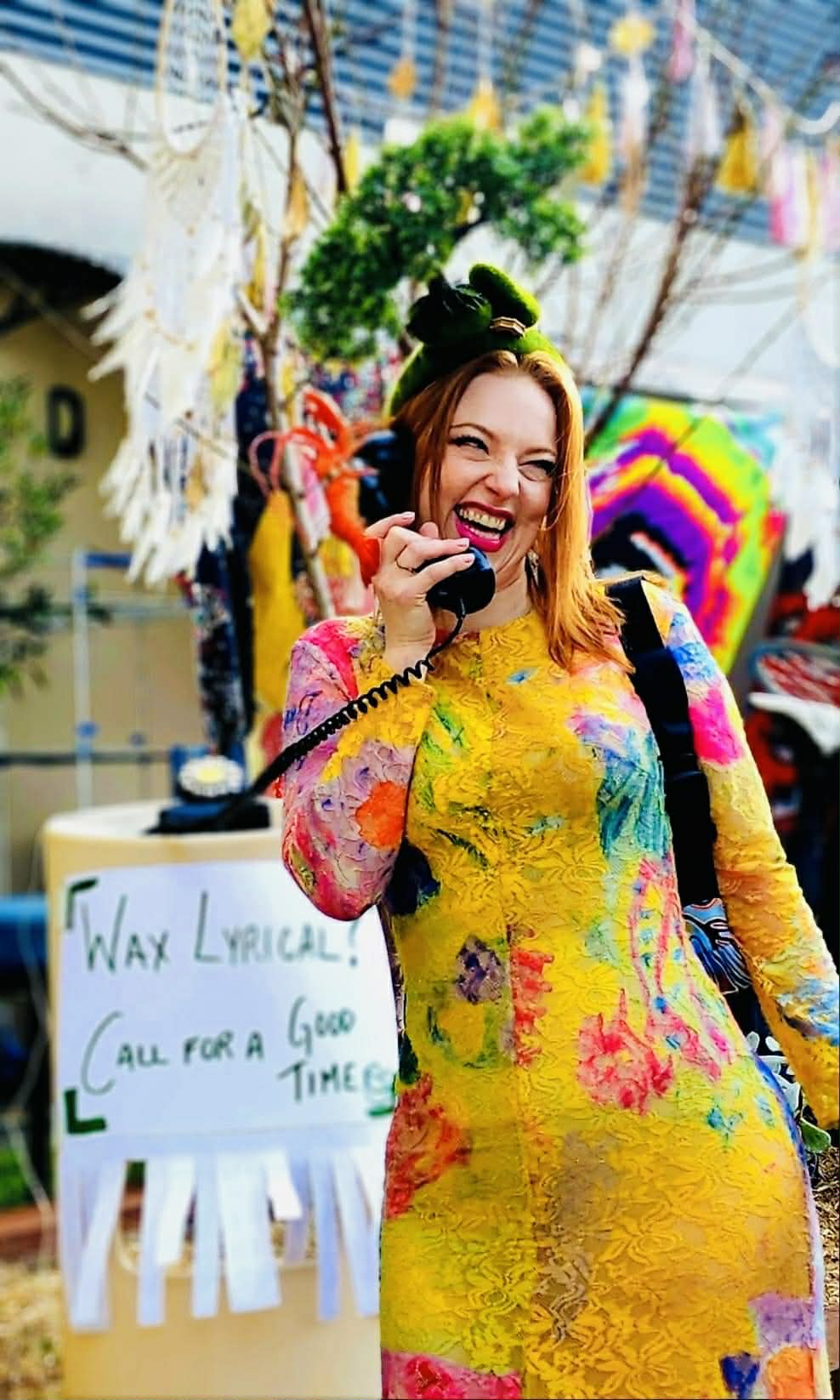
"I'm so proud of how our community came together to build something completely unique, dazzling and memorable at Mardi Gras. Stepping onto Oxford Street felt like crossing a doorway — a moment of being seen and loved in my queerness with my community."
The AGM That Changed Everything
Five special resolutions. Community-elected directors. An overwhelming mandate for unified governance. Here's what it means — and the work your board has been doing ever since.
On 31 August 2025, something genuinely remarkable happened in the governance of this community. Members gathered — in person and by proxy — and passed five special resolutions with the 75% supermajority each required. Not narrowly. Not controversially. Overwhelmingly.
For those of us on the board, it was one of those moments you don't quite believe is happening while it's happening. After everything the community had been through, the cancellation of Burning Seed 2025, the months of grief and anger and uncertainty — people showed up and said: we want to rebuild this together, and we want a structure that actually works.
We take that mandate seriously. And we think you might be curious to know what we've actually been doing with it.
A board's job isn't only to deliver an event. It's to build the conditions in which a community can sustain itself.
What the five resolutions actually did
The first and most significant resolution merged Sunburnt Events Ltd (SBE) into Sunburnt Arts Ltd (SBA). Two boards had been running in parallel — one governing the cultural organisation, one governing the event. That structure made more sense in the pre-2019 era, when the event had greater vitality and more physical assets under management. By 2025, the landscape had changed fundamentally. We are now in a lean start-up mode with less bureaucracy and fewer assets to manage, and the dual-board structure had become a source of communication failures and unclear accountabilities that compounded into crisis. One organisation means clearer lines of responsibility, and a single community to answer to.
The second resolution reformed membership. The old membership stipulations were convoluted and restrictive — barely anyone in this community qualified for voting membership, a direct consequence of having run only one Burning Seed since 2019. The new criteria open the door to anyone who has attended, volunteered, led a theme camp, contributed substantial work, or has been actively engaged in the burner community for 12 months or more. If that's you, you can now be a voting member. If you haven't already applied, the link is in the footer.
The third resolution fixed a quorum problem that had been quietly making governance nearly impossible. The old majority-of-members threshold meant meetings regularly couldn't proceed. The new quorum of 15 people or 10% of voting members — whichever is higher — sets a realistic bar while keeping meetings meaningful.
The fourth resolution introduced proxy voting, so that members who can't physically travel to meetings can still have their voice counted. For a community spread across multiple states, this matters.
The fifth resolution removed a confusing clause that had been creating unintended membership barriers. Sometimes the work of governance is just clearing the undergrowth.
The work since
If you've been wondering what the board has been doing since September, the honest answer is: a lot, most of it not very glamorous.
We were handed an organisation that had been through a traumatic rupture, no confirmed venue, no event date, and a community that — completely reasonably — needed to be shown, not told, that things had changed. We've returned to a lean start-up model, with a clear vision of becoming a thriving arts and culture supporter in line with our charitable aims. Every decision is made with that future in view.
The first thing we did was consult. Not as performance, and not as a way of pushing a decision we'd already made. We genuinely didn't know what the community wanted, and we weren't prepared to decide on their behalf without asking. Listening isn't a prelude to leadership for us — it is leadership. It's how authority flows upward from the community rather than down from a board meeting.
Over eight weeks, we ran face-to-face sessions in Sydney, Melbourne, Canberra and as many regions as we could manage. We hosted Zoom calls for people who couldn't travel. We ran dedicated consultations with theme camp leads and crew, who carry institutional knowledge the rest of us don't have. We published a running FAQ, updated weekly. We read every submission. We built a synthesis of what we heard and shared it back with the community before drawing conclusions.
We genuinely didn't know what the community wanted, and we weren't prepared to decide on their behalf without asking.
What we heard was clear on a few things. There was a genuine understanding of why we were examining change, and an openness to new possibilities. The community was cautious about fire season. There were strong feelings about avoiding clashes with Confest, Dragon Dreaming, and Burning Man. And across almost every conversation, people expressed something like relief that they were being asked at all.
Finding a home: the Capertee Valley
Capertee Valley emerged from our site assessment process as the strongest option, and the community's response has borne that out. When we presented it at consultations, the reaction was, in a word, excitement.
What we carry from Matong into Capertee Valley is not small. Years of collective memory live in that land — the art, the burns, the sleepless volunteer nights, the sacrifices made by people who gave everything to build something beautiful for others. Matong formed us, and that formation doesn't disappear because we're standing somewhere new. We move forward carrying that strength and wisdom with us, honouring what came before with the respect and dignity it deserves.
What's coming: the Pilot Burn
We're running a Pilot Burn on 15–18 May 2026. Limited numbers, in the spirit of radical self-reliance. It's foundational work, but it's also genuinely a burn — a proper gathering of this community at a new site, with fire and art and the things that make us who we are.
The Pilot Burn is about meeting the land, meeting our neighbours, training crews in a lower-stakes environment, and beginning to understand what Capertee needs from us and what it gives back. We'll arrive as guests of the valley, paying attention before we presume to know it. That's not caution for its own sake — it's how you build something that lasts.
Capacity will be limited, and we'll only be communicating with members about tickets. We're asking people to hold the details about the property and surrounds with care. A little discretion from everyone protects something we're all invested in.
Anzac Weekend 2027
The community consultation was clear: Anzac Weekend 2027 is the preferred date for our return to a full-scale 'Burning Seed' style event. It avoids fire season, avoids the major clashes with other events the community flagged, and gives us the time to do the Pilot Burn properly and learn from it before we scale. Everything we're building now — the community relationships, the governance structures, the crew systems, the financial foundation, the Pilot Burn — is in service of that return.
What we're asking of you
We're asking for your continued trust — not as a blank cheque, but as a working assumption that we're trying, and that you'll tell us when we get things wrong.
We're asking for your participation in membership. If you haven't yet applied for voting membership under the new criteria, please do. This organisation is stronger when more of its community has a formal voice in it.
And we're asking you to meet us in Capertee Valley in May 2026 — and help us build something worth returning to.
The board meets weekly. If you have questions, you can reach us directly at the Sunburnt Arts email or through the form on the website. We'd rather hear something difficult from you than not hear it at all.
— The Sunburnt Arts Board
Nathan Bernasconi · Gabriel Reyes · Tereasa Trevor · Leanna Pugliese · Marcelo Araujo · Teejay Wier · Bjorn Margon
Five questions. One honest snapshot.
We ask. You tell us honestly. We report back what the community said.
This is our first pulse check — a short, anonymous survey to find out how you're really feeling about the community right now. It covers belonging, connection, authenticity, personal growth, and creative expression. Your answers set the baseline. Results will be shared in the next issue of the Galah.
Fully anonymous. No names, no email addresses, and responses are never attributed to individuals. What we publish in the Flaming Galah is what the community said collectively — patterns and themes, not individual answers.
About 2 minutes · Plus two optional demographics questions
This is Round 1. Each issue of the Galah will carry a fresh pulse check so we can track how things shift over time. Results will always be reported back — what the community said collectively, and what we're doing about it.
Questions? tt@sunburntarts.org.au
The Rock of Ages
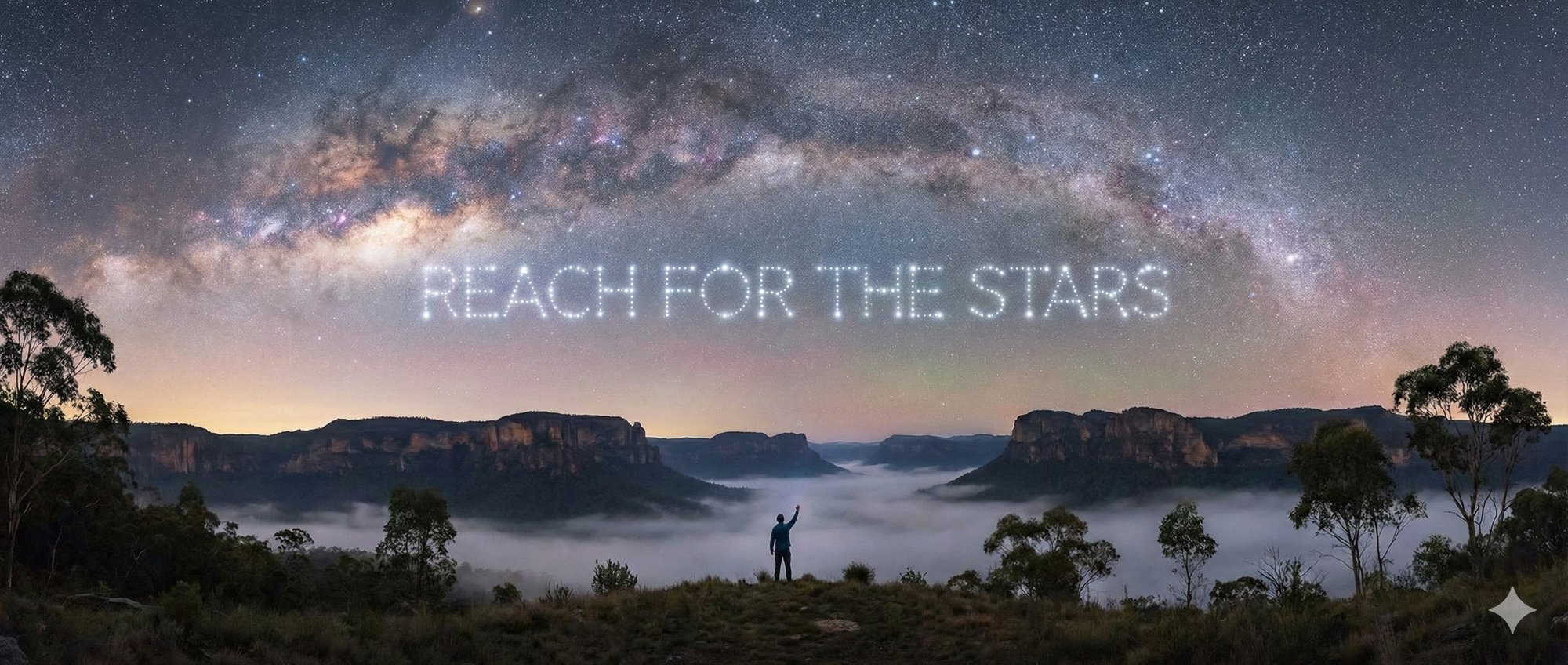
Before you arrive, it helps to understand what you're actually arriving into. Not just a pretty valley with good camping, but one of the oldest landscapes on earth, and one that will take a moment to properly absorb.
The Capertee Valley began to be carved into the uplifted sandstone plateau 60 to 90 million years ago, back when the continent was still finding its shape. The Grand Canyon only began to be cut by the Colorado River around six million years ago, which means Capertee is roughly ten times older. This is not a fun fact for the back of a brochure. It is an existential recalibration, and it will hit you differently once you're actually standing there, looking up.
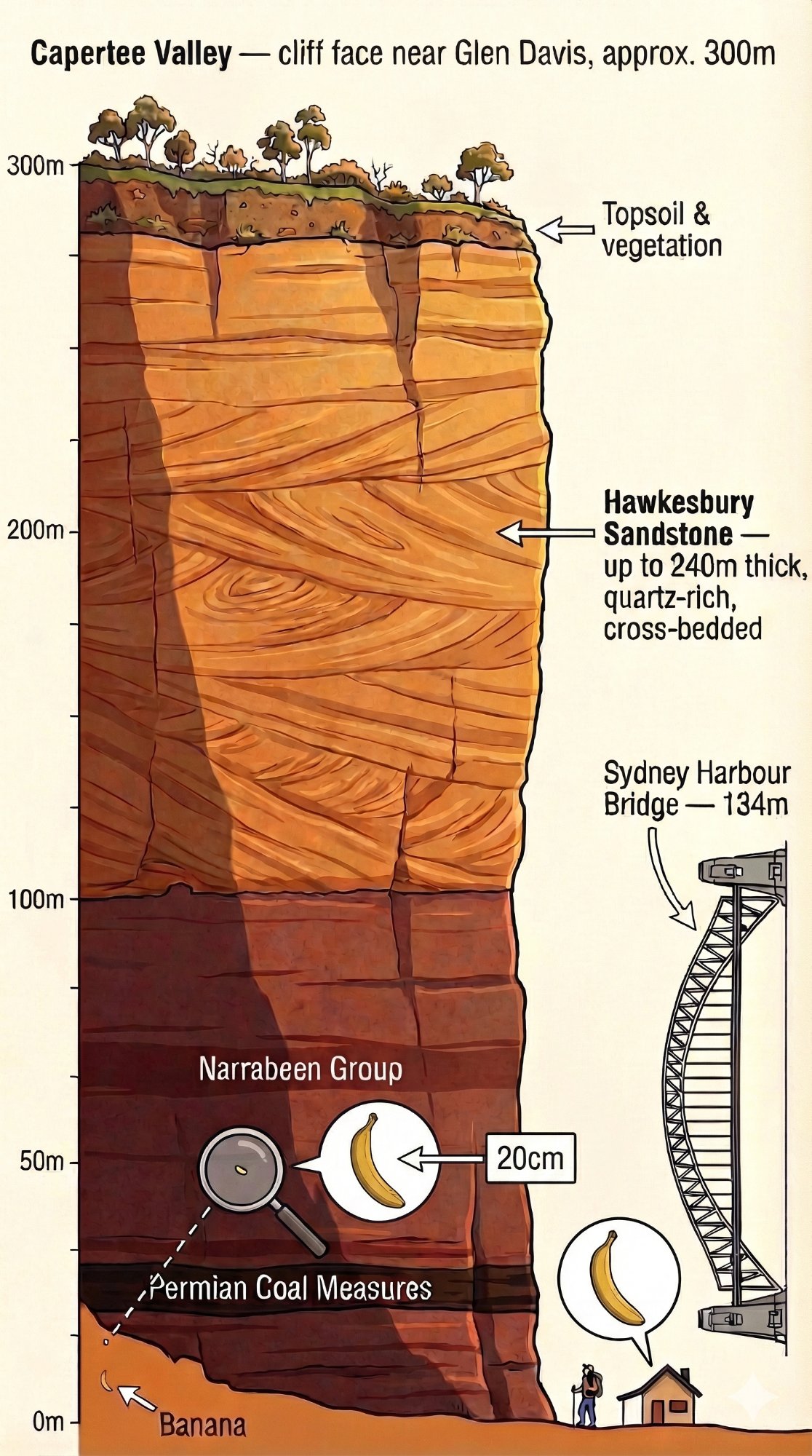
The ground beneath your feet will be a stratigraphic sequence dominated by Triassic sedimentary rocks of the Sydney Basin, with the Hawkesbury Sandstone forming the primary lithology — a quartz-rich sandstone characterised by cross-bedding indicative of ancient fluvial environments, constituting massive beds up to 240 metres thick. The ripple-like patterns you'll see running through the cliff faces are preserved river currents, frozen motion from a world that no longer exists in any recognisable form. The soft stuff erodes, the hard stuff holds, and over tens of millions of years the difference between the two becomes a canyon you can drive a caravan into.
The Cliffs, the Sacred Mountain, and the Thing Standing Alone in the Middle
The cliff-lines in the Capertee Valley are the highest in the Blue Mountains, and near Glen Davis they are more than 300 metres high. The Sydney Harbour Bridge is 134 metres tall, so you can do the maths on what 300 metres of vertical sandstone looks and feels like when you're standing at the base of it.
There is a mountain in this valley that has been held as sacred for thousands of years, long before European explorers gave it the names it carries today. You will feel its presence before you fully understand it. It watches over the valley floor from a position that makes no immediate geological sense, and that quality of otherness is not incidental. The people of this country knew what they were recognising.
What geology can tell us is that it is a mesa formed from plateau material that refused to erode at the same rate as everything around it. It rises out of the farmland below it with a stillness that most landscapes don't have, and it will be one of the more quietly affecting things you encounter on this trip. Approach it with that in mind.
At Mount Genowlan, the pagoda formations are worth seeking out specifically because they are a rare type with ironstone bonding in sandstone, and with colours reflecting differences in rock type and the presence of algae and lichen, they range from chocolate and orange to pink, white and grey. The area is sometimes called the Three Hundred Sisters, and the name will make complete sense when you see them spread across the ridge.
The River Beneath the Ground
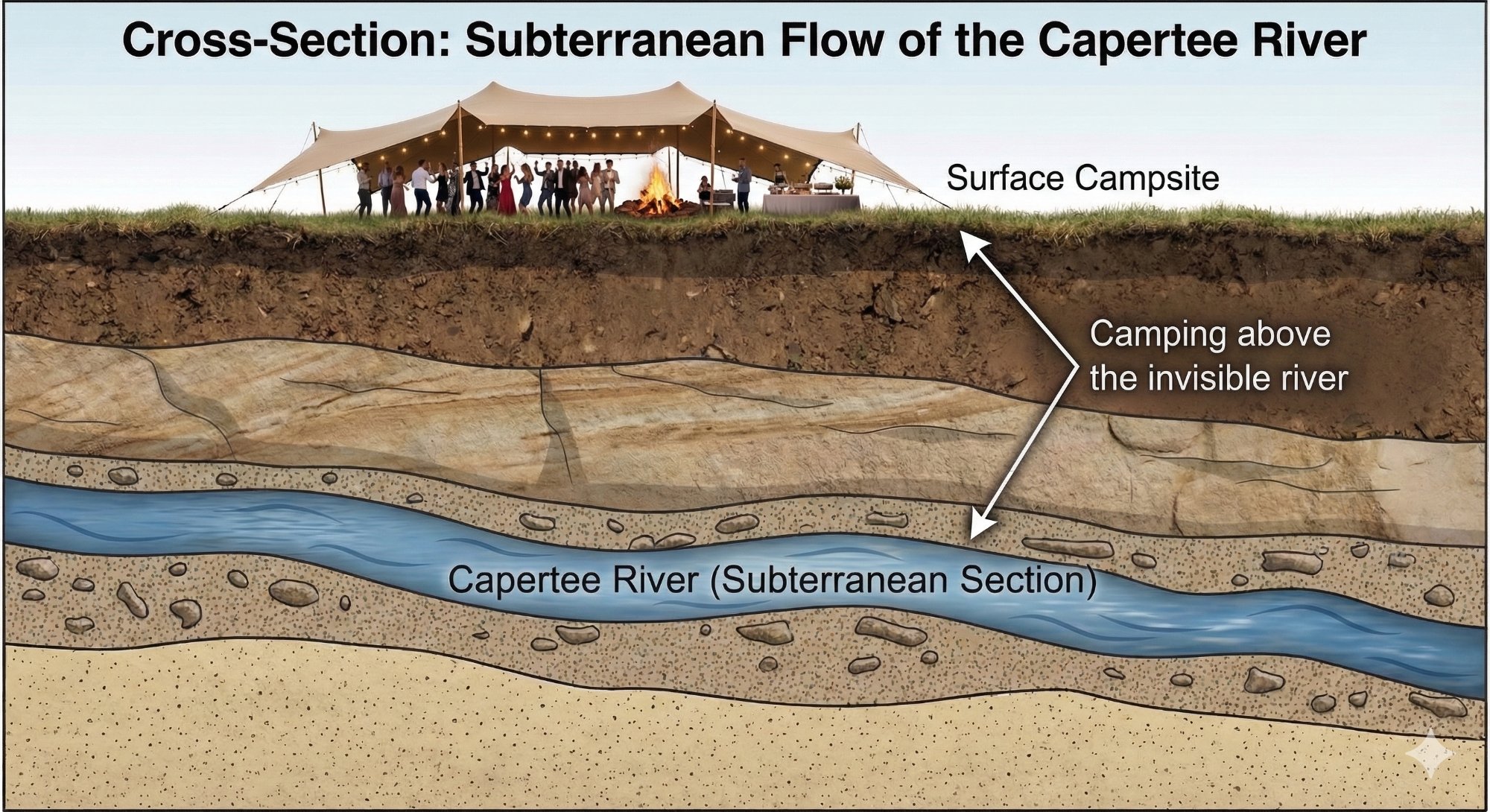
One detail about the Capertee River that tends to surprise people is that it does not always behave like a river is supposed to. The Capertee River is a perennial stream within the Hawkesbury-Nepean catchment that flows southward through the centre of the valley, often featuring sandy beds and subterranean sections before joining the Wolgan River to form the Colo River. It runs underground in places, disappearing beneath the valley floor and reappearing further downstream as though nothing happened. You will be camping above a river that is sometimes invisible. Even the hydrology here operates on its own terms.
Glen Davis
You'll pass through Glen Davis on your way in. It's a small community now — about 106 people at the last census — and it has the particular quality of a place that has survived a great deal and made peace with its own history.
In 1938, there was nothing at Glen Davis at all. By 1947, there was a school, a post office, a bank, a police station, a doctor, a pharmacist, three churches, a community centre, a golf course, a bowling green, a children's playground, tennis courts, two general stores, a pharmacy, a garage, a saloon, a barber shop, and a motion-picture theatre. A complete, functioning town of 2,500 people, built inside one of the most remote sandstone canyons in the country, in under a decade.
The reason it existed at all was wartime necessity. Glen Davis came into existence to make fuel from shale oil during WWII, due to the demand for petrol supplies which were being threatened by shipping attacks in the Pacific Ocean. The conditions in the early years were genuinely hard — the earliest workers had to live in tents, and the area became known as Bag Town. Families followed. A community formed.
When the works closed in 1952, the population dwindled rapidly, and some buildings were relocated entirely. What remained was not abandonment so much as transformation — a place that changed form rather than disappeared entirely. The hotel still stands, beautifully restored. The village still receives its freshwater supply via the concrete pipeline from the Oberon Dam, water still arriving through infrastructure built more than eighty years ago.
For those who want a final footnote: the Glen Davis Shale Oil Works was the filming location for the 1980 Australian movie The Chain Reaction, which starred Mel Gibson, uncredited. The valley has always attracted people who recognise something worth paying attention to.
You're going to Capertee. The rock is older than almost anything else you'll ever stand on, the river occasionally runs underground, and a sacred mountain has held the centre of this valley since before any of us can properly imagine. It will not be like anywhere else.
Radical Self-Reliance — your best foot forward
It doesn't mean we don't care for one another. It means that when everyone is drawing on their personal strengths, the entire community benefits.
Burn culture inherited this from the desert. Hard landscape, no services, difficult rescue operations. You sort yourself out or you get sorted. We're not in Nevada, but Capertee and all Australian burns have their own version of that conversation.
May nights in a sandstone canyon get cold in a way that surprises people. Not dramatically cold, just the kind that settles into your bones while you're busy having a good time and announces itself around midnight when you've forgotten to eat. The sun drops behind the ridge earlier than you expect. The wind is its own entity.
This event is also deliberately thin on safety nets. We're not running the full infrastructure suite and the people who usually absorb the wobbles aren't all there yet. What we have instead is five hundred people who know how to look after themselves and each other without needing to be told. Self-reliant adults who make incredible things happen because they show up as a full resource rather than a partial one.
The ask goes deeper than a packing list, though yes, bring the warm layer and stake your tent properly. It's about self-knowledge: your sleep needs, your food rhythms, when you go quiet versus when you go loud, what pulls you under and what brings you back. How you participate when you're resourced versus when you're running on empty. That knowledge is infrastructure, and you're the only one who can pack it.
This matters especially here, on ground we're all learning for the first time. When the foundations are still being formed, the journey inward is part of the journey outward. Self-reliance at Pilot Burn isn't about toughing it out alone. It's about knowing your strengths well enough to offer them and knowing your edges well enough to enjoy them, rather than disappear past them into territory that asks more from others than this burn is yet equipped to give. Play expansively, participate fully, and know the difference between a stretch and an overreach.
That self-knowledge is also what makes our civic fabric hold. Radical self-reliance is how participation works as a network rather than a collection of individuals. When you know what you can give and what you can't, the whole structure holds. Consent is part of this too. If you're likely to need more support, seek it ahead of time from your direct community and make agreements before you're on site. That's sophisticated self-knowledge put into practice, and it's what keeps you present and useful for the people around you.
We arrive on land that's been understood for sixty thousand years by people who knew how to be in it. We're new here. Preparation is a form of respect.
Know yourself. Make a plan with your campmates that holds when things get weird. Read the survival guide. Then show up whole.
"Radical self-reliance is how participation works as a well resourced network, rather than a collection of individuals."
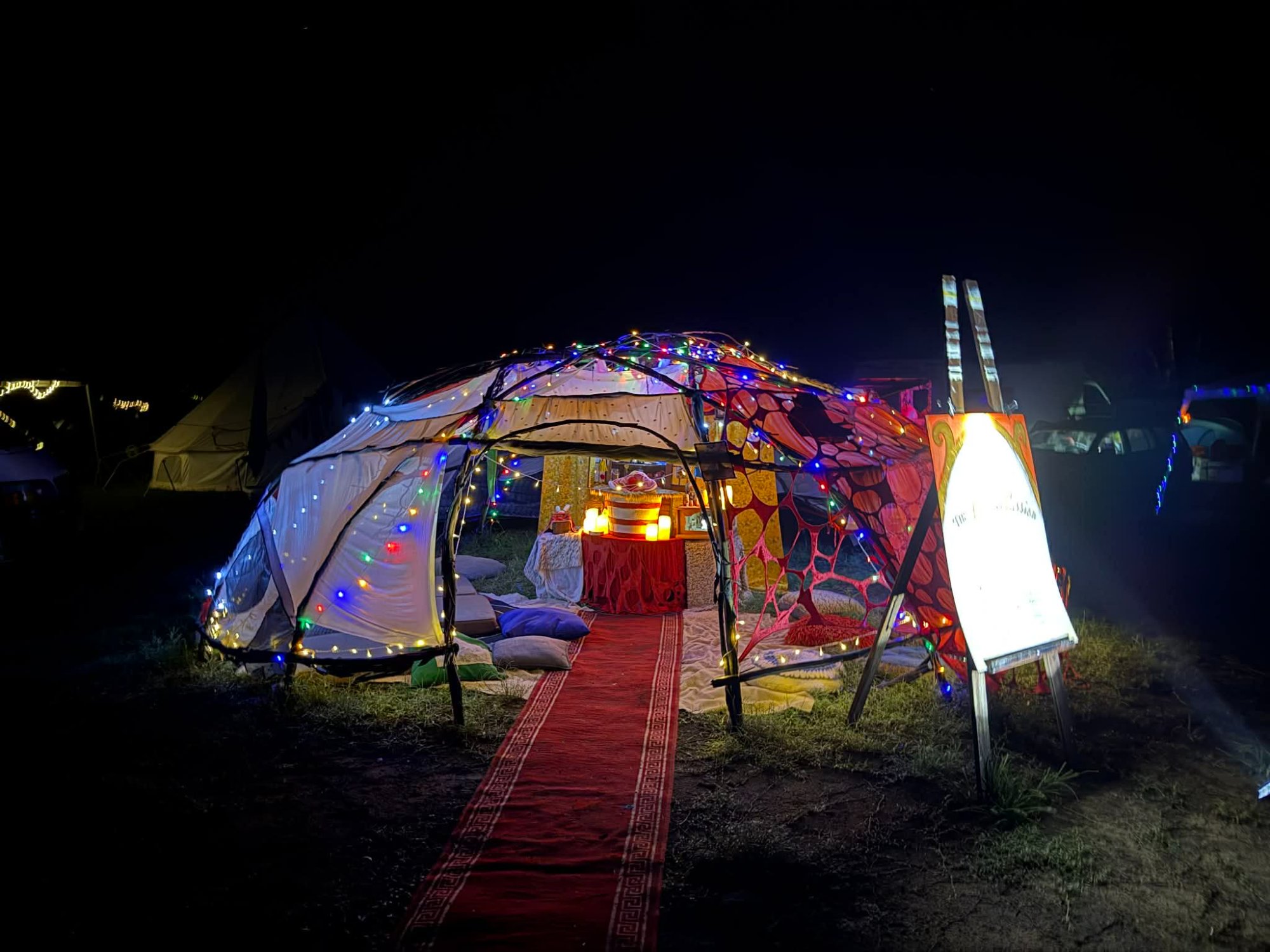
A devotional space for all who have learned to distrust their desire.
Here, passion is honoured as a life force — creative, erotic, emotional, and embodied.
It is an invitation to remember what makes you feel alive, and to reclaim desire as something sacred rather than shameful.
You are invited to reach into the unknown, receive what is offered, and rest.
Nothing is required of you.
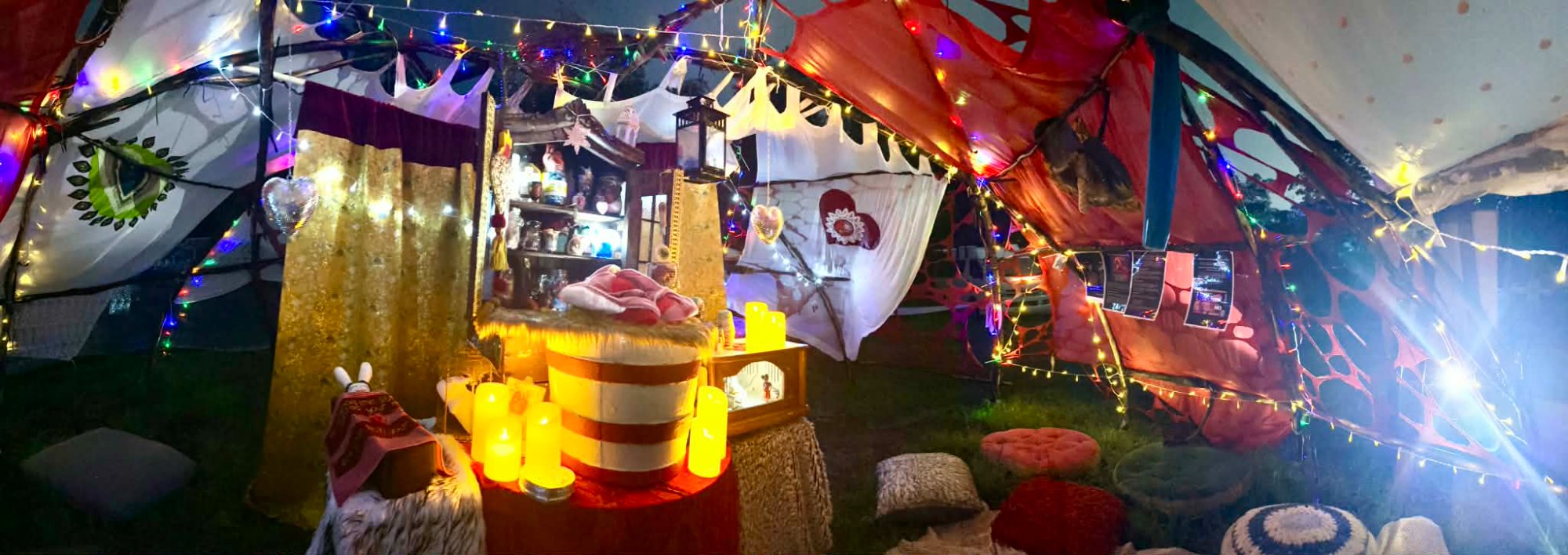
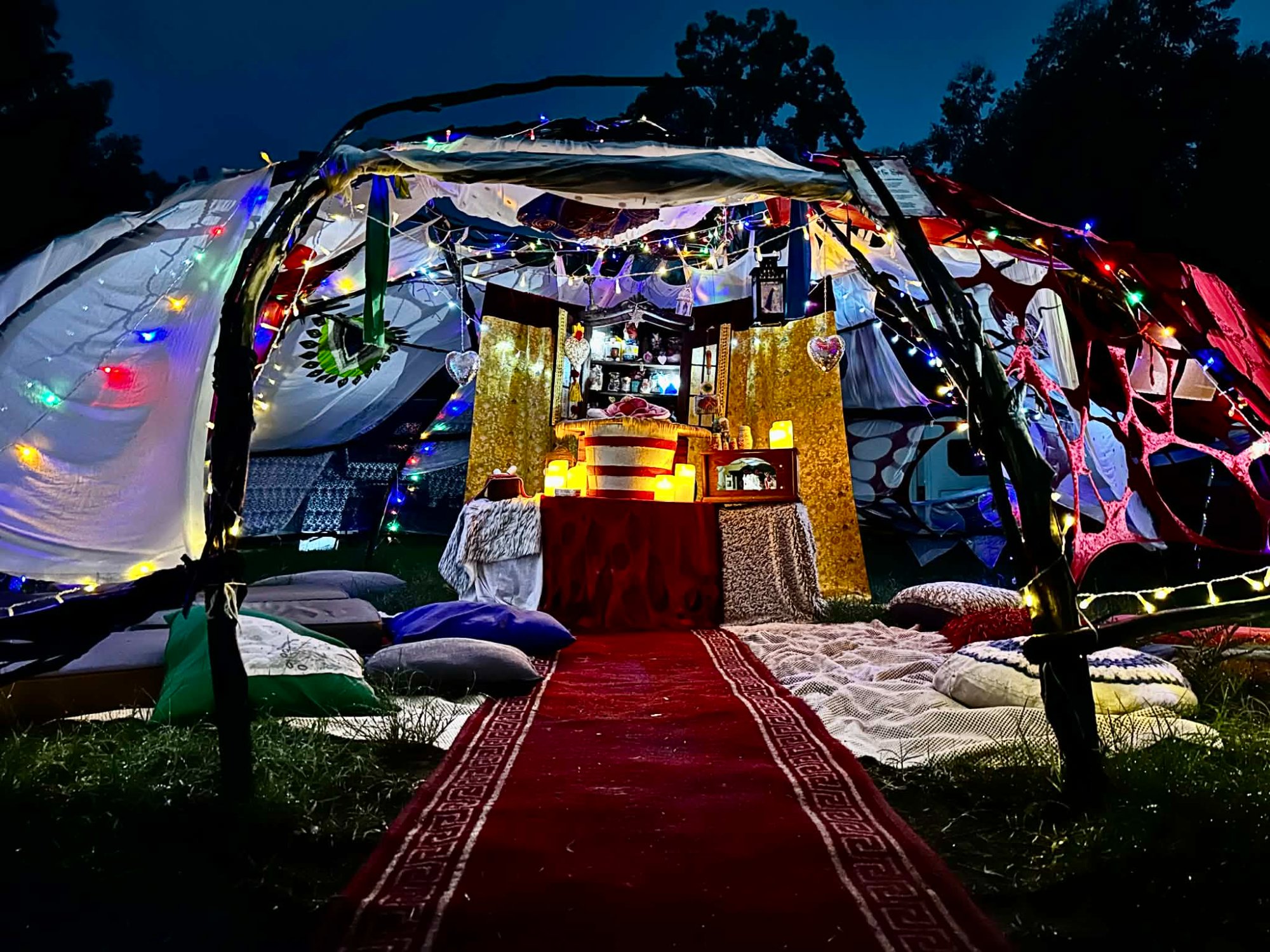
"Come in. The altar is listening."
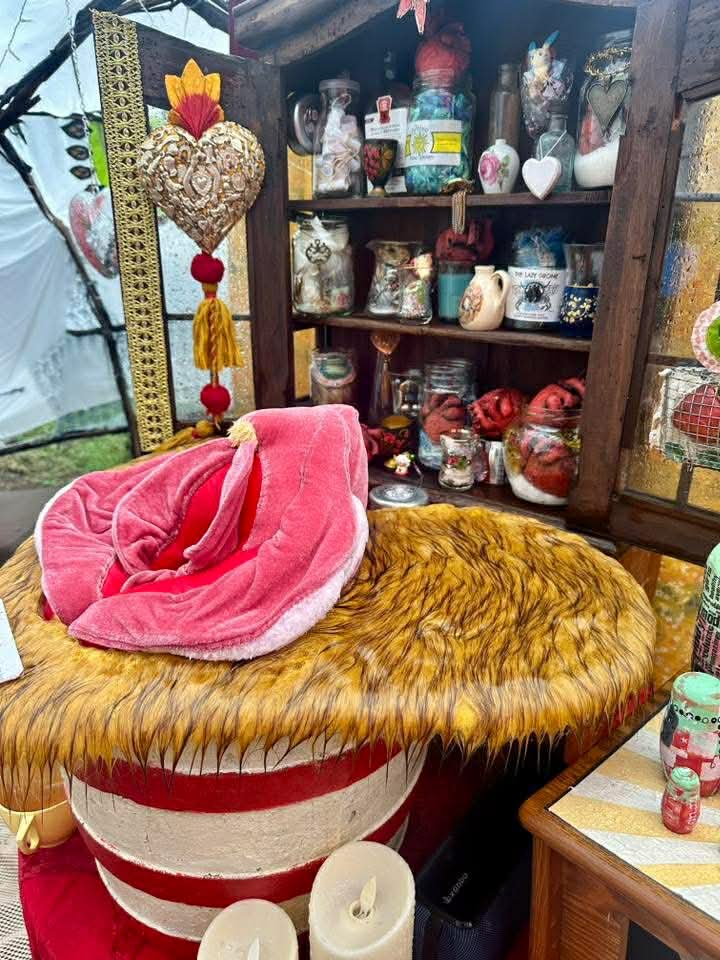
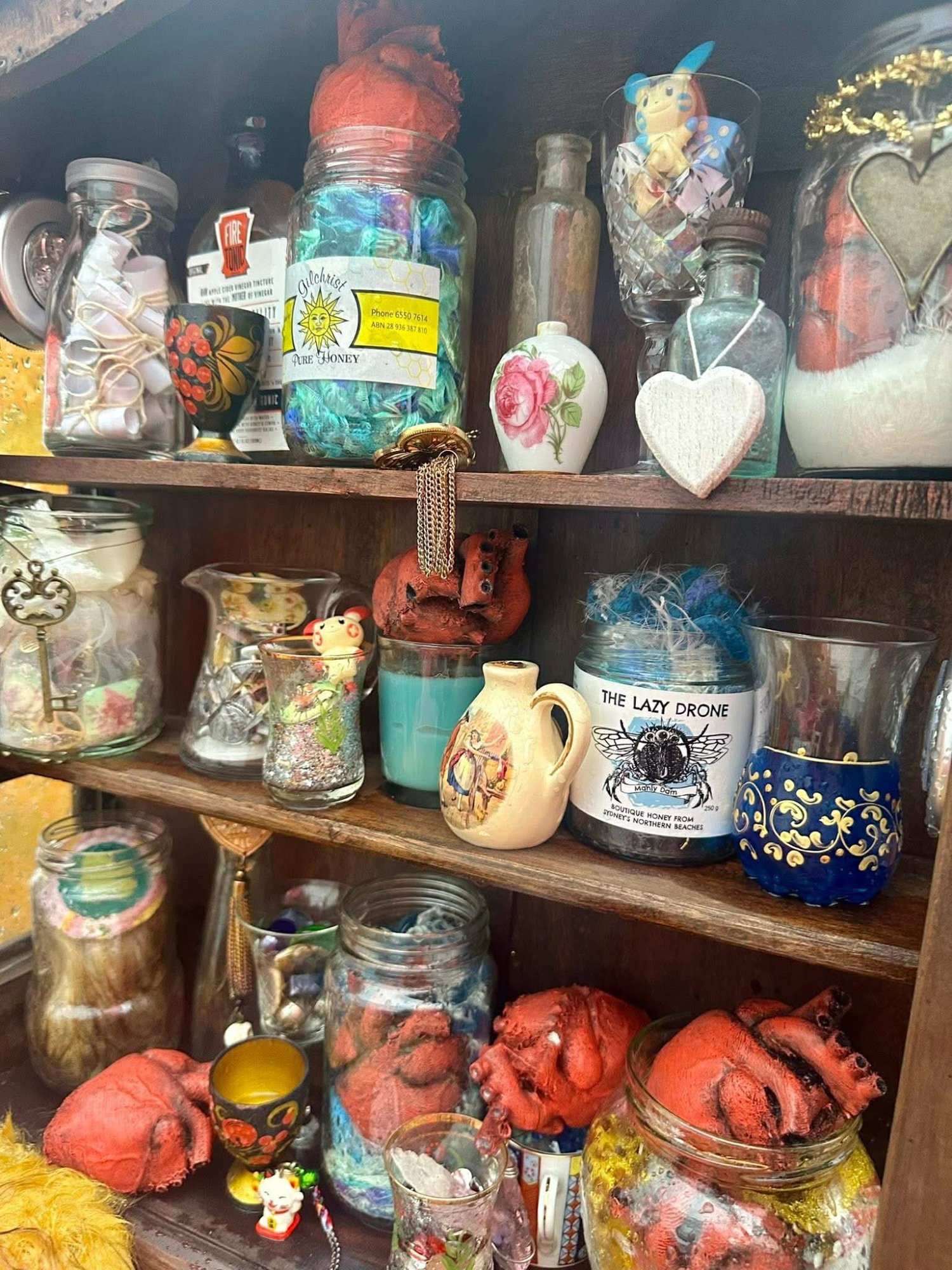
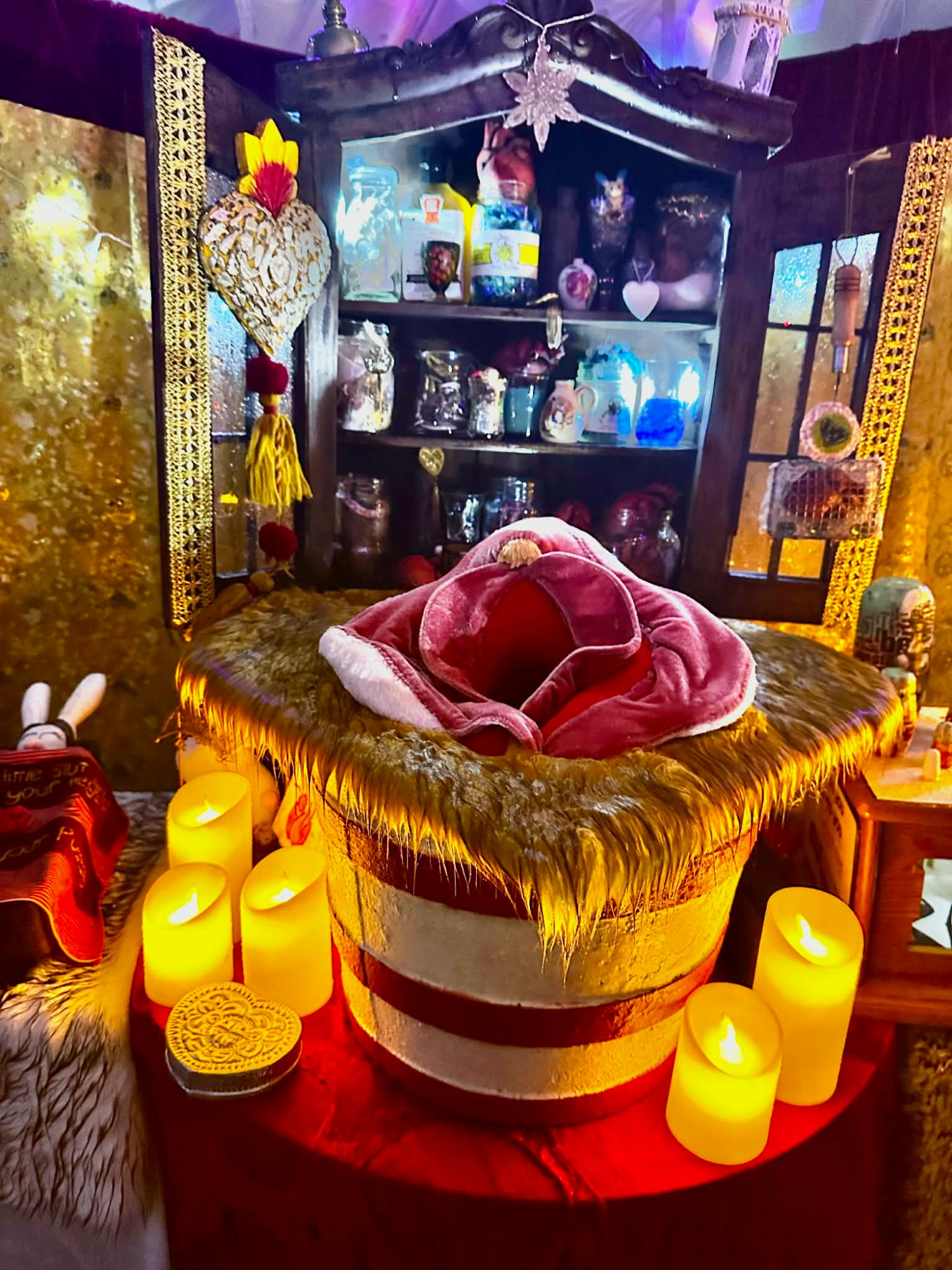
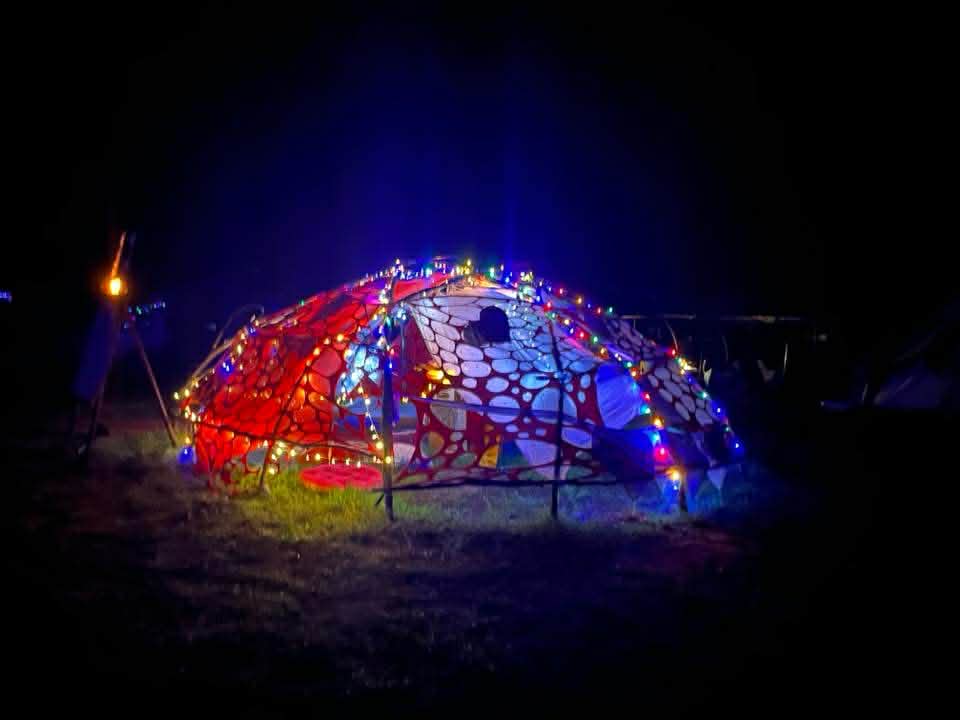
The Altar of Passion — Spice 2026. Photography: community. The Altar returns for the Pilot Burn, Capertee Valley, May 2026.
Radical self-reliance isn't about going it alone. It's about arriving whole enough to give something away — and trusting that someone else did the same for you.
(BAD) Burner Advice
Mystical answers to life's burning questions. Drawn from the ancient wisdom of people who have done this before and made most of the same mistakes. The stars have aligned. The oracle is in. Submit your question and the Deep Paddock will consult the smoke, read the dust, and tell you something. Whether that's useful is entirely up to you.
It's my first burn. Everyone keeps telling me to "just surrender to it" but I'm an anxious person and that's not how my brain works. How do I actually prepare so I can enjoy it?
They definitely don't. "Surrender to it" is what people say when they can't remember where their camp is and they've decided to make it a spiritual experience. Here is what actually helps: bring a flag. A tall, weird, visible flag on a pole above your tent. Something you can see from a distance. Something that makes you think "yes, that's where I live." A taxidermied wolverine in an LED tiara. A giant inflatable flamingo. A flag that says HOME in letters big enough to read from across the paddock. When you're lost and overwhelmed and the dust has turned your brain to static, you will look up, see your wolverine princess shining in the distance, and something in you will relax. Surrender becomes possible once you know where you're going back to. FIND YOUR WOLVERINE PRINCESS.
My campmate is a serious gifting machine — they spent months making things. I didn't bring anything to give. I feel awful about it.
Tim Tams are a sacred gift. Do you know what people want at 3am in the desert when their whole sense of self has dissolved and they've been dancing for nine hours? THEY WANT A BISCUIT. Go to the servo RIGHT NOW. Buy every Tim Tam they have. Strap them to your body. Walk through the event like a biscuit-based deity. People will weep. They will tell their grandchildren. You'll be the most important person at the burn and you'll have spent eleven beautiful dollars.
I had a rough time at the last big burn and I'm not sure I'm ready to be around a lot of people again. But I also really miss the community. Is it okay to come and just... stay at the edges?
Not only is it just okay, some would say it's ambitious. Decorate the outside of your tent to look like a completely unremarkable rock. A beige rock. A quiet rock. A rock that has absolutely nothing going on. Sit inside your rock tent and eat snacks and watch people walk past and feel the particular pleasure of being present but unbothered. By Saturday someone will have built a shrine to the rock. People will be leaving offerings. There will be a rumour that the rock is sentient. You won't have hidden — you'll have led.
Ice Ice Maybe
How is your friend who doesn't have a powered fridge still offering you an icy cold beer on day 5 of camping? What's the secret?
First, a quick lesson in how heat moves — because once you know, you can stop it. Heat travels in three ways: conduction (solid touching solid — metal is the superstar, but all materials do it), convection (warmer air rising, drawing cooler air in to replace it — a breeze turbocharges this), and radiation (the direct warmth of the sun, no air required). Your icebox is fighting all three at once. Here's how to win.
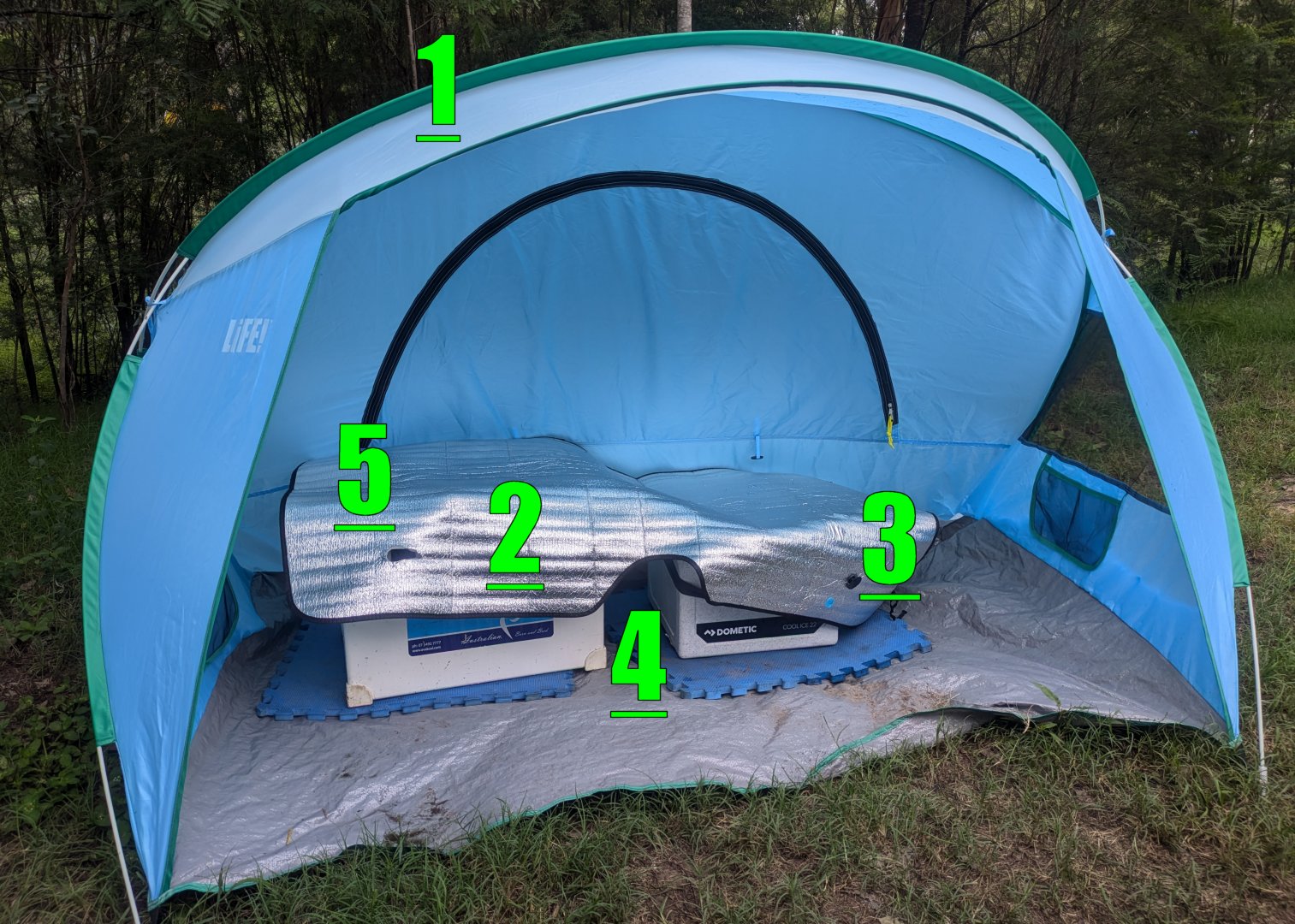
- Keep it under shade → 1
- Reflect the sun away with foil wrap → 2
- Block breezes — wrap in a blanket or keep your kitchen tent closed → 3
- Stop ground conduction — use a good insulator underneath → 4
- Close the lid firmly so it's airtight → 5
- Choose a cooler with thick walls
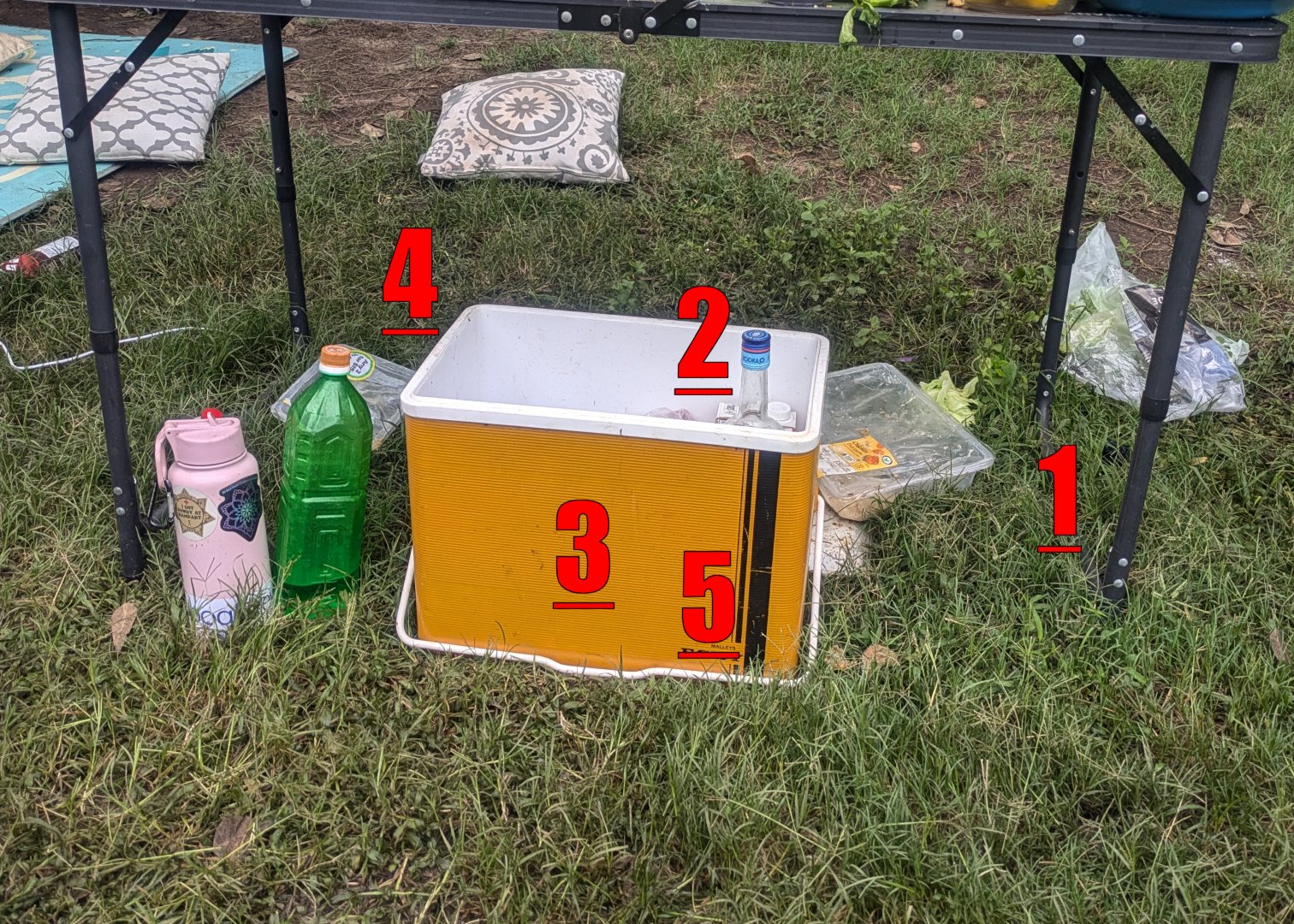
- Leave it where there's easy airflow → 1
- Over-fill it so the lid doesn't close → 2
- Choose a cooler with thin or metal sides → 3, 5
- Don't leave food out that animals can get into → 4
- Leave it in direct sunlight
- Open the lid frequently
The numbers in the photos correspond to the tips above. Ice cream for anyone who spots all five in the Do photo.
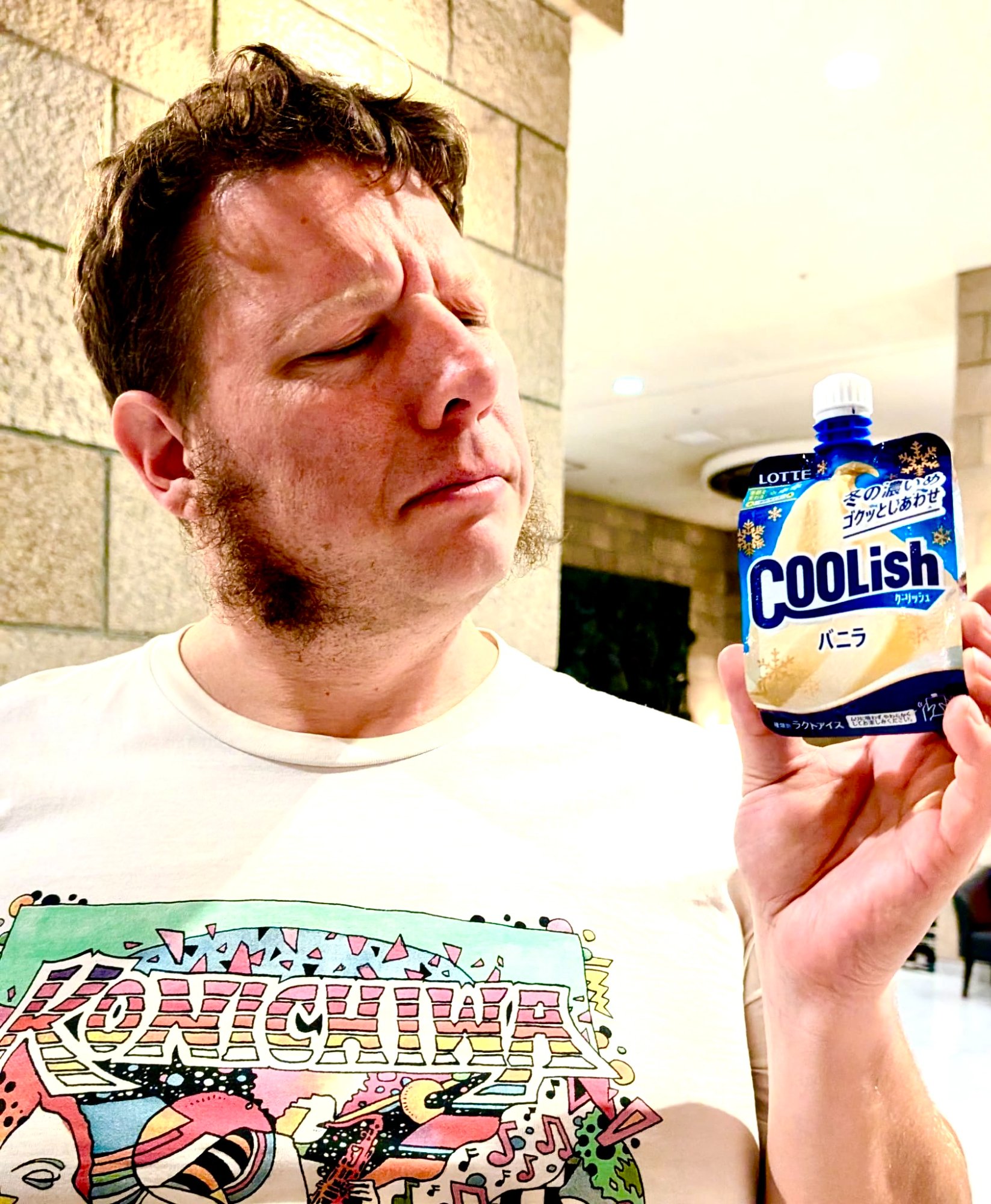
Jeremy is a veteran burner and cold-storage enthusiast who has kept ice solid in conditions that would make a thermodynamicist weep. When he's not lecturing people about esky insulation, he can be found evaluating frozen treats across the Asia-Pacific region — strictly for research purposes.
Do This, Not That
Camping Tips